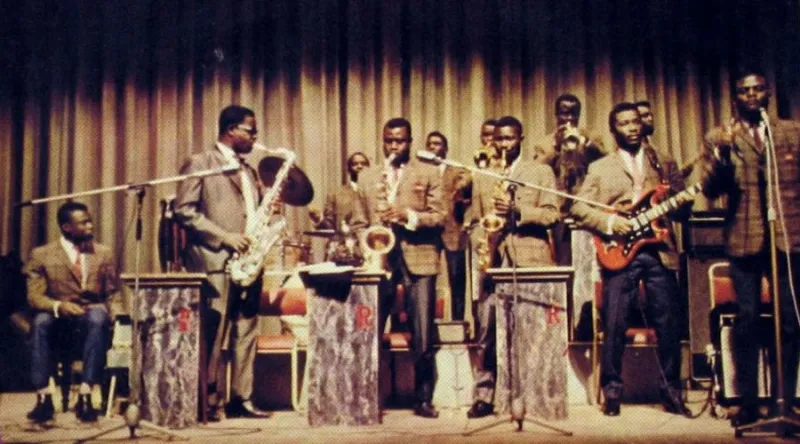
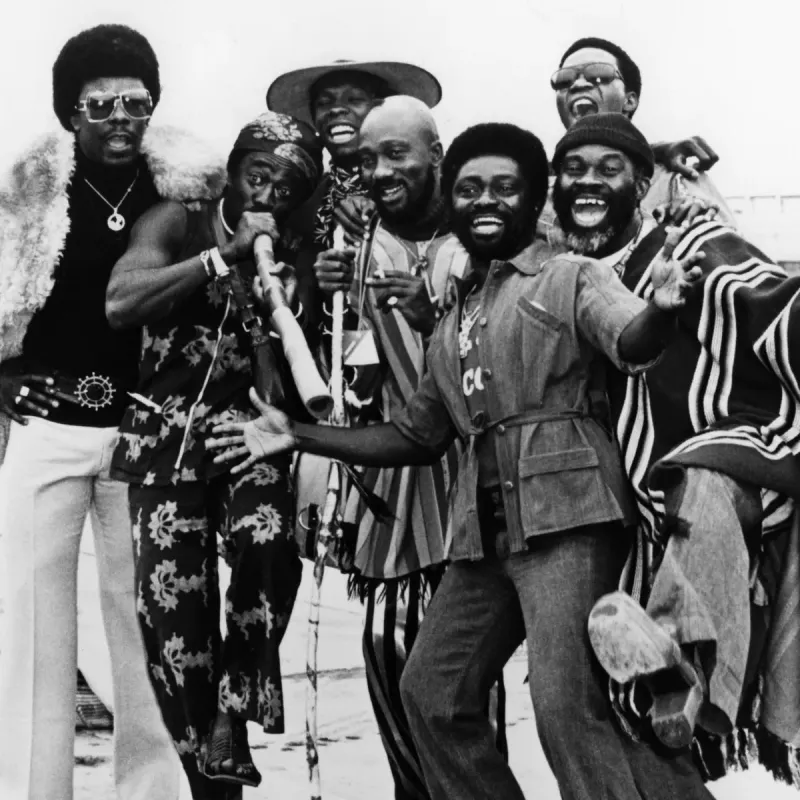
Keep the Dancefloor Honest: What Fifty Years of Touring Taught Me About Playing Highlife in America
Photo: 2017 Canada Summer Games, CC BY 2.0, via Wikimedia Commons
I've played highlife on more American stages than I can count — small clubs in Brooklyn, festival fields in Texas, rooms in Chicago where nobody spoke a word of Twi and danced like they'd grown up on it. And every single night, the same lesson shows up: highlife doesn't need translation. It needs a floor.
The Vinyl Never Lies — But the Crowd Might Surprise You
I say this as someone whose records get traded by collectors who've never set foot in Ghana: the American highlife audience starts as a listening audience. They discover the music through vinyl — a reissue here, a rare groove compilation there. They come to the show having studied the record like homework.
Bless them for it. But here's the thing: highlife was never meant to be studied standing still.
What Lands Immediately
The rhythm section, every time. American audiences — raised on funk, hip-hop, and everything that grew out of the Black Atlantic — feel the groove in their body before their brain gets involved. The interlocking guitars take a little longer. The horn lines, the call-and-response, the way the music breathes instead of surges — that's the part that unfolds over the course of a set.
What always gets them: the space. American pop music is terrified of empty space. Highlife lives in it. When the band locks in and lets a groove ride for five, six minutes, American crowds eventually stop waiting for the drop and start realizing the ride is the point.
What Gets Lost — and What I Refuse to Do About It
Some things don't cross the water intact. The lyrics, sure — a song sung in Twi or Pidgin carries meaning an Austin audience won't catch word for word. But meaning in highlife isn't only in the words. It's in the phrasing, the humor in the delivery, the way a line lands like a joke at a family gathering.
I could stand up there and explain every song. I don't. The music explains itself if you let it move you. That's not stubbornness — that's trust. The same trust I had in 1975, putting out a record nobody had a category for.
There's also the tempo question. Some promoters want it faster, punchier, more 'Afrobeats-adjacent' — whatever that means. Highlife at the wrong tempo is like gumbo made in ten minutes. Technically food. Spiritually empty.
Why the Dancefloor Is Non-Negotiable
Here's my one rule after all these years: if the crowd isn't dancing by the third song, we haven't failed — we just haven't finished the job.
In Ghana, highlife was Saturday night. It was the sound of celebration, of courtship, of a whole community moving in the same direction. When I bring that to a festival in the States, I'm not asking Americans to borrow someone else's culture. I'm pointing at the oldest truth in music: rhythm came first, and the body understands it before the mind does.
And honestly? American crowds deliver. By the end of a good night, the person who came to take notes on the pressing details of a 1975 record is out there dancing next to somebody who wandered in from the food trucks. That's the whole mission, right there.
A Note to the Collectors
Keep digging. Those original pressings you're hunting — the ones with the worn sleeves and the price stickers from record shops long closed — they're not just artifacts. They're proof that this music traveled before anyone was ready for it. Play them loud. Dance in your living room if you have to.
The floor is wherever you decide it is.