Beyond the Algorithm: How American Fans Can Actually Build a Real Highlife Collection Online

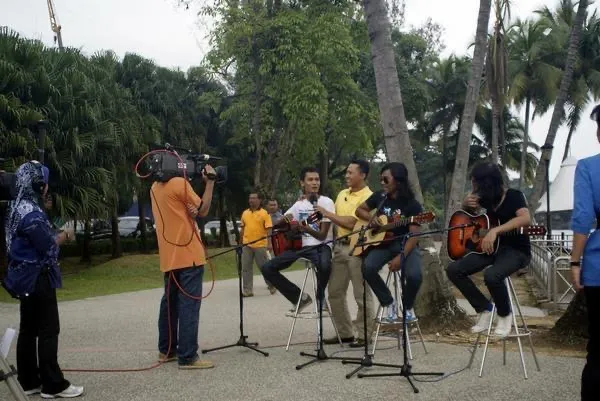
Photo: Donald Trung Quoc Don (Chữ Hán: 徵國單) - Wikimedia Commons - © CC BY-SA 4.0 International.(Want to use this image?)Original publication 📤: --Donald Trung 『徵國單』 (No Fake News 💬) (WikiProject Numismatics 💴) (Articles 📚) 20:28, 8 September 2022 (UTC), C
If you found your way to Gyedu-Blay Ambolley through a playlist or a late-night YouTube rabbit hole, congratulations — you've already done the hard part. The hard part is what comes next, because once you go looking for more highlife, the internet gets weird about it.
Streaming platforms are fantastic for artists with deep, well-documented catalogs. Ghanaian highlife, for the most part, is not that. Master tapes were lost, labels folded, and rights got tangled across decades and continents. What you'll find on Spotify or Apple Music is often a fraction of what an artist actually recorded, uploaded in whatever order the rights happened to clear. So let's talk strategy.
Start With the Cornerstones, Not the Playlists
Algorithmic playlists are a decent front door but a terrible map. They tend to serve up the same handful of tracks and bury the album-length statements that make highlife what it is. Instead, anchor your library around full records: Ambolley's Simigwa (1975), the Ebo Taylor records, anything from the Ghana 70s reissue wave, and the classic bands — African Brothers, Uhuru, the greats of the scene.
Streaming is fine for these, but here's the collector's secret: the reissue market is where the real catalog lives. Labels in the UK, Germany, and the US have spent the last fifteen years remastering and reissuing Ghanaian recordings that were functionally unavailable for decades. If you want to understand this music, follow the reissue trail. Bandcamp, in particular, is a goldmine — search "Ghana highlife" and you'll land on archival labels doing serious restoration work, often with liner notes that double as history lessons.
The Compilations That Do the Homework for You
If you're not ready to buy records, curated compilations are your friend. A good anthology — whether it's a CD series or a vinyl box — is essentially a crate-digger's education in a single package. Look for titles covering 1970s Ghanaian highlife, Afrobeat-adjacent funk from West Africa, and guitar-band recordings from the era. These collections typically include the deep cuts that never made it to streaming, and they'll teach you the difference between highlife's guitar-led branches and its brass-band traditions — a distinction that matters once you start hearing how Ambolley folded jazz and funk into the mix.
Follow the Threads, Not the Genres
Here's something the streaming era actually gets right: the "related artists" and "fans also like" features work well once you give them a seed. Start with Ambolley and Ebo Taylor, and the algorithm will fan outward — toward Nigerian highlife, toward the Congolese rumba scene that traded ideas with Accra, toward the Fela Kuti catalog that shares highlife's DNA.
And then there's the modern connection. A lot of American fans came in through afrobeats — Burna Boy, Wizkid, the whole wave. What's worth knowing is that this isn't a coincidence. Afrobeats draws heavily on the rhythmic vocabulary and melodic sensibility that highlife developed over decades. Ambolley has been quick to point out in interviews that today's stars are building on foundations laid in Ghana and Nigeria long before streaming existed. So trace the lineage backward: from afrobeats to its highlife and Afrobeat roots, and you'll hear the family resemblance everywhere.
Practical Tips for the US Listener
A few housekeeping notes from someone who's watched fans navigate this:
- Check multiple platforms. A track missing on Spotify might be on YouTube Music, Tidal, or Bandcamp. Ghanaian catalogs are distributed unevenly.
- Mind the spelling. Artist names get transliterated and misspelled across reissues. Search variations.
- Buy the reissues when you can. These archival projects fund the remastering work and, in some cases, get royalties back to artists or their estates.
- Read the liner notes. Seriously. The best reissues come with essays that give you the political and cultural context — highlife was dance music, but it was never just dance music.
The Payoff
Building a highlife library in the streaming era takes a little more effort than building one around, say, classic rock. But that effort is the reward. You're not just consuming a genre; you're reconstructing a history that the platforms never bothered to organize. And when you finally hear how a 1975 Simigwa groove connects to what's charting on afrobeats playlists this week, you'll understand why this music never really went away. It was just waiting for listeners willing to dig.