The Highlife Map for Flyover Country: Finding Real Ghanaian Grooves Between the Coasts
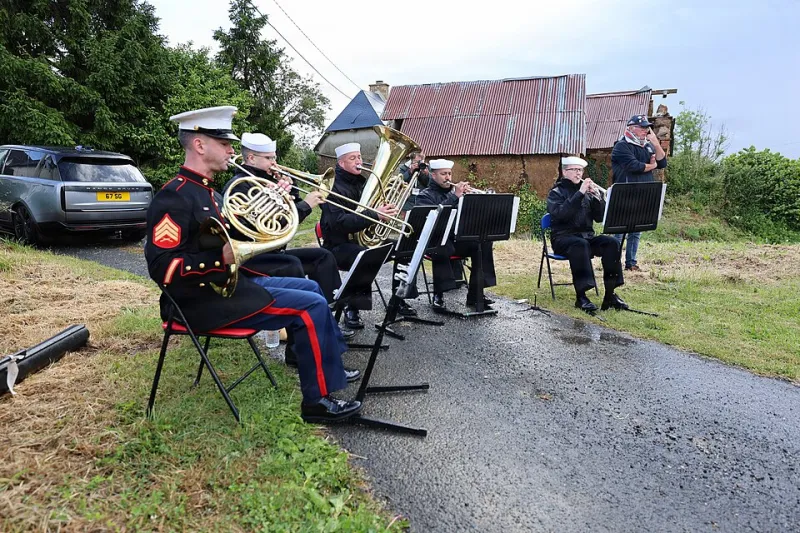
Photo: U.S. Navy photo by Petty Officer 2nd Class Daemon Pellegran, Public domain, via Wikimedia Commons
Let's get one assumption out of the way: you do not live in New York or Los Angeles, and you're tired of every "where to see African music" list starting in Brooklyn. Fair. The truth is that highlife lives in a lot more American zip codes than the coastal press lets on — you just have to know where the scene hides.
Follow the Community, Not the Billboard
Here's the first rule of heartland highlife hunting: the Ghanaian diaspora is your map. There are thriving Ghanaian communities in places like the Twin Cities, Columbus, Houston, the DC suburbs (okay, close to a coast), Wichita, and parts of the Carolinas. Where Ghanaians settle, highlife follows — weddings, naming ceremonies, church anniversaries, and independence-day celebrations all need a band or a DJ with the right records.
Start with the practical stuff. Search Facebook for "Ghanaian association" plus your nearest big city. These groups post event flyers that never touch Ticketmaster. A Ghanaian community dance night is the single best value in live music in America: full bands or serious DJ sets, a buffet that will ruin chain restaurants for you, and a dancefloor where nobody performs — they just dance.
Reading the Lineup Like a Crate-Digger
Once you start spotting shows, you need to separate the real thing from the tribute-act circuit. A few tells:
- Named musicians over named genres. Authentic touring bands from Ghana — and there are more than you'd think — bill the bandleader's name, not "An Evening of Afrobeat Vibes."
- Horn section, or it didn't happen. Highlife without horns can be lovely, but the classic dance-band sound lives in the brass. If the flyer promises guitars, drums, and horns, you're in business.
- The venue tells the truth. A legit Ghanaian night in a banquet hall or a VFW lodge beats a watered-down "Afro-fusion" showcase at a cocktail bar every time.
And if you get the chance to see Ambolley himself or a band carrying the simigwa flag, cancel everything. Fifty years on, the man still treats a stage like a conversation, not a recital.
What to Expect When You Walk In
Your first Ghanaian dance night might feel intimidating. It isn't. A few pointers from fans who've made the leap:
- Eat first, or eat there. Jollof, waakye, kelewele — get a plate. Food is half the event.
- Nobody cares if you can't dance the highlife step. It's a two-step with attitude. Start there and the groove will take over.
- Talk to the elders. Ghanaian community events are intergenerational by default, and the folks who remember the 70s will happily school you on which records matter.
- Bring cash. Many of these events run on community organizing, not apps.
Building the Collection While You're at It
Heartland fans have one advantage the coasts forgot: patience and digging. Regional record fairs in Chicago, Minneapolis, and Dallas regularly surface Ghanaian pressings — and without twenty other collectors hovering, you can actually afford them. Keep an eye out for the Ghanaian pressings of Ambolley's 70s and 80s run; condition varies, but the hunt is half the joy.
The point is this: the Simigwa spirit was never about geography. It was born in a port city where sounds collided, and it thrives anywhere people are willing to move. Tulsa counts. Des Moines counts. If the horns are blowing and the dancefloor is honest, you're already there.