Crate-Digger's Gold: Five Ambolley Records That Deserve a Spot on Your Shelf

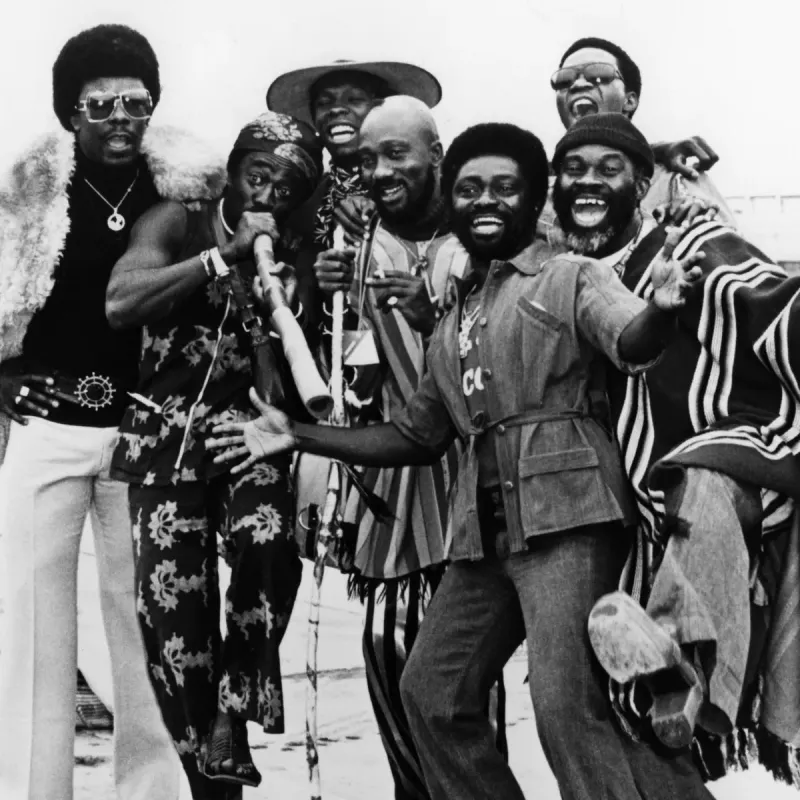
Photo: Vinyl Group Ltd, Public domain, via Wikimedia Commons
Every serious US vinyl collector eventually hits the same wall: you've dug through the soul, the jazz, the funk, and you're hungry for something that connects but surprises. That's usually the moment West African highlife enters the picture — and Gyedu-Blay Ambolley is the gateway artist who rewards the deep dive.
Here are five records and tracks to guide your hunt, whether you're chasing original pressings or perfectly serviceable reissues.
1. "Simigwa" — The One That Started Everything
If you buy a single Ambolley record, this is it. The 1975 debut introduced simigwa to the world: highlife melody, funk muscle, jazz improvisation, and Ambolley's proto-rap vocal delivery, which predates hip-hop's commercial explosion by half a decade.
What to listen for: The rhythm section's interplay — the bassline locks into a groove that would feel at home on a James Brown record, but the horn arrangements and guitar phrasing are pure Ghana. Original pressings are collector's items and can run high on the resale market; several reissue labels have made it accessible again, so check specialty shops and Discogs before paying collector prices.
2. "Simigwa-Do Bo" — The Dance Floor Test
The follow-up energy of Ambolley's early run is captured beautifully here. This is the track you put on when friends come over and you want the room to move without explanation.
What to listen for: The call-and-response between Ambolley's voice and the horns. It's a masterclass in arrangement economy — nothing overstays its welcome.
3. Ambolley's Highlife-Funk Era Gems
Through the late '70s and into the '80s, Ambolley kept mutating, leaning harder into funk and even dabbling in the disco-adjacent sounds of the era. Tracks from this stretch show a restless experimenter who refused to repeat himself.
What to listen for: Synths and drum machines creeping into the mix alongside live highlife guitar. For collectors, this era offers the best value — fewer reissues, more original pressings floating through African record shops and online marketplaces at reasonable prices.
4. The Later Acoustic and Jazz Work
Here's a curveball worth taking: Ambolley's later recordings strip things down, letting his jazz roots and flute work breathe. These records pair beautifully with a quiet evening and sit comfortably next to your Grant Green or Pharoah Sanders albums.
What to listen for: The guitar work. Ambolley is a genuinely gifted player, and the stripped-down settings prove it in a way the dense funk arrangements sometimes obscure.
5. Live and Compilation Cuts
Various artist compilations covering Ghanaian highlife and West African funk frequently include Ambolley tracks, and they're a budget-friendly way to sample his range while discovering labelmates worth exploring.
What to listen for: Anything with extended horn solos — live settings were where Ambolley's jazz instincts ran freest.
Where to Hunt
A few practical tips for US collectors. Online marketplaces like Discogs remain the most reliable source for both originals and reissues. Independent record shops with strong world-music sections — think cities with established African diaspora communities — turn up surprises regularly. And don't sleep on digital reissue labels specializing in African music; many have given Ambolley's catalog the remastered treatment with quality pressings.
How It Fits Your Existing Collection
The beauty of Ambolley's catalog is how naturally it shelves next to American music. His funk records slot beside Parliament and The Meters. His jazz leanings connect to post-bop. His highlife foundation links him to Fela, E.T. Mensah, and the broader West African canon. One artist, three collection categories — that's value.
Start with Simigwa, follow your ears from there, and enjoy the moment someone flips through your crates, stops cold, and asks, "What IS this?" That's the whole point of collecting, isn't it?