The Unclaimed Soundtrack: Why Simigwa Is American Film and TV's Next Great Needle Drop
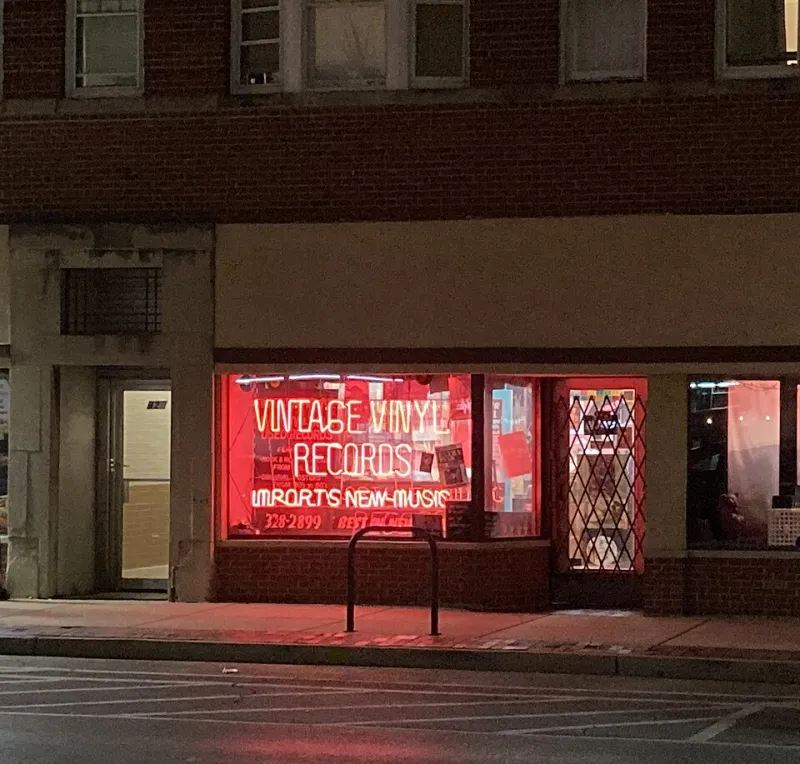
Photo: Nick Number, CC BY 4.0, via Wikimedia Commons
The needle drop is a sacred thing in American film and TV. Get it right, and a scene becomes a memory. Get it wrong, and you've got a expensive mood board with dialogue. Lately, music supervisors have been digging deep into vintage African grooves — the kind of records that sound like a conversation between a drum kit and a city. And yet one name keeps getting left out of the crates: Gyedu-Blay Ambolley.
His 1975 album Simigwa didn't just predict a genre; it built a whole rhythmic language. That language belongs on screen in 2026, and not just as background wallpaper. It belongs in opening credits, in slow-motion sports montages, in the awkward silence after a streaming comedy's worst date. The question isn't whether Simigwa works cinematically. It's why nobody's cleared it yet.
Why Simigwa Fits the Current Screen Moment
American film and TV have spent the last few years chasing a specific feeling: warm, analog, human, slightly off-center. Think of the prestige dramas that use Ethiopian jazz or Nigerian Afrobeat to set a scene without over-explaining it. Think of the sports docs that lean on West African percussion to make a routine play feel like a turning point. Simigwa sits right in that pocket — but it's funkier, stranger, and more conversational than most of what's already in rotation.
Ambolley's highlife-funk doesn't announce itself. It simmers. The rhythms are built for movement, but they're also built for eavesdropping. There's space between the instruments. The vocals often feel like someone talking to you from across a courtyard. That quality is gold for directors who need a scene to breathe without going quiet.
And let's be honest about the current landscape: music supervisors are exhausted by the same five African grooves. The market is ready for a record that feels like a discovery rather than a safe bet. Simigwa is that record.
Four Tracks That Write Their Own Scenes
You don't need a shot list to hear the cinematic potential. Here's where a few catalog cuts could land:
"Simigwa" (the title track) — Opening credits. Not the glossy, drone-shot kind. The other kind: a character walking through a crowded market, the camera catching faces and hands and fabric. The groove starts loose and tightens up just as the scene finds its rhythm. By the time the chorus hits, you're already inside the world.
"Ketan" — Sports docs and training montages. This one has a pulse that feels like a countdown. It works for a boxer wrapping her hands, a sprinter settling into the blocks, a coach staring at a whiteboard. It also works for a heist scene in a limited series, but that's a different pitch.
"Atwer" — Family drama. The kind where nobody says what they mean for the first ten minutes. The track's loping groove gives actors room to be uncomfortable in the best way. Use it under a dinner scene or a long drive to a funeral. Resist the urge to cut too often.
"Mensim" — Streaming comedy. Specifically the scene where a character realizes they've made a terrible mistake but has to pretend everything is fine. The rhythm's slight wobble mirrors that internal panic. It's funny without being a joke.
The Indie-Friendly Path to Clearance
Here's the part where directors and editors usually tune out: sync licensing. It sounds like paperwork, and sometimes it is. But Ambolley's catalog is more accessible than most vintage African recordings, especially for indie productions that can't afford a major-label quote.
The key is understanding the two rights involved: the master recording (the actual sound recording) and the publishing (the composition). For many older highlife records, those rights are split across labels, estates, and sub-publishers. That's where projects stall. But Ambolley's catalog has been increasingly consolidated, and rights holders have made real strides toward one-stop clearance for film and TV.
For an indie director, the move is simple: start with the rights holder directly, not a middleman. Explain the scene. Offer a fair festival-friendly fee. Ask for a limited term — say, three to five years for streaming and broadcast in North America. If the track is going into a major studio release, you'll need a bigger conversation. But for a short film, a documentary, or a streaming comedy's second season, the path is shorter than you think.
One practical note: music supervisors love a clean brief. Don't just say "we want a Ghanaian highlife vibe." Send the track, the timestamp, and the emotional beat you're trying to hit. "We need the moment where the character stops pretending" is a better pitch than "something funky."
The Clock Is Ticking (Gently)
Vintage African grooves are having a moment on American screens, and moments have a way of curdling into formulas. Right now, Simigwa still feels like a discovery. In two years, it might feel like a trend. The directors who move first will get the scenes that feel effortless and original. The ones who wait will get the clearance queue.
So here's the case, plain: if you're cutting a prestige drama, a sports doc, or a streaming comedy in 2026, give Ambolley's catalog a serious listen. Not as a novelty. As a score waiting for its picture. The rhythm already knows where it's going. You just have to point the camera.