Teaching the Kids the Simigwa Step: Why Ghanaian Dance Floors Belong at American Family Gatherings
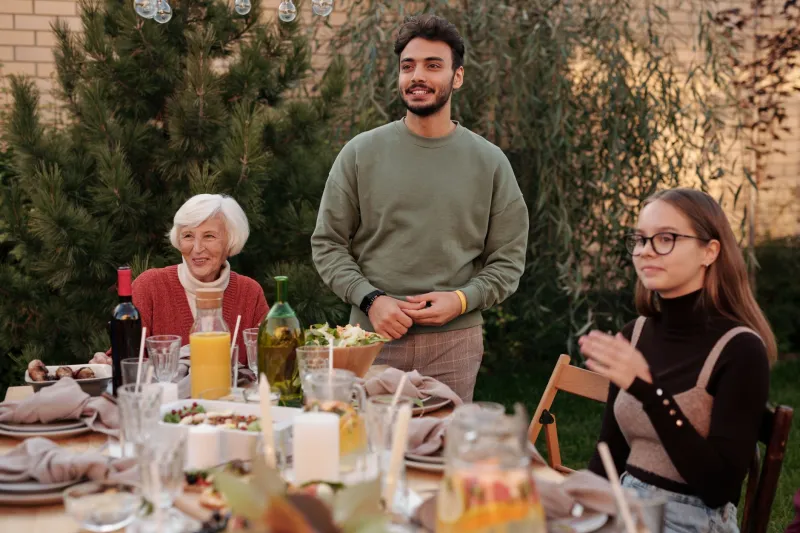
Here's something I've learned watching my own kids grow up between two worlds: children don't inherit culture through lectures. They inherit it through their feet.
You can tell a seven-year-old all day about how a 1975 album in Accra changed popular music. Their eyes will glaze over by sentence two. But put that same record on at a family cookout in Ohio, show them a simple two-step that matches the beat, and suddenly they own it. It's theirs. Nobody had to explain anything.
What Is the Simigwa Step, Anyway?
When Gyedu-Blay Ambolley released "Simigwa" in the mid-seventies, he didn't just invent a sound — he gave Ghanaians a new way to move to it. The Simigwa style of dance grew up alongside the music: loose shoulders, a rolling hip movement, feet that stay light and conversational rather than rigid. If you've seen footage of highlife dance floors from that era, you know the look. It's joyful, a little show-offy, and completely unbothered by anyone watching.
The good news for parents: there's no wrong way to do it. That's kind of the point. Unlike a choreographed line dance, the Simigwa step is a feeling with a beat attached. Kids pick it up faster than adults precisely because they haven't learned to be embarrassed yet.
Start at the Birthday Party, Not the Concert Hall
I understand the instinct to save cultural things for cultural occasions — the Ghana independence celebration, the big community festival downtown. Those events matter. But here's the thing: they happen a few times a year. Birthdays happen constantly. So do barbecues, graduations, Sunday dinners, and random Saturdays.
If highlife only lives at official events, kids learn that it's a costume you put on twice a year. If it lives at every birthday party, they learn it's just... our music. Background and foreground. Ours.
So the practical advice is simple. At the next family gathering, put Ambolley on the speaker instead of the usual playlist. Not exclusively — meet the kids where they are. One highlife track for every two or three American ones. Let it live in the mix.
A Three-Minute Lesson That Actually Works
Want to actually teach the step? Here's the method that's worked for me across a dozen birthday parties and one chaotic Thanksgiving:
First, find the pulse. Have the kids clap along with the drums before anyone moves a muscle. Highlife percussion is layered, but there's a heartbeat in there that even a four-year-old can find.
Second, exaggerate everything. Show them the shoulder roll like you're the silliest person alive. Kids copy enthusiasm, not precision. If you look like you're having the time of your life doing something ridiculous, they will join you within thirty seconds. Guaranteed.
Third, make it a contest. Who can do the step without laughing? Loser has to set the table. Now you've got a game, a dance lesson, and clean dishes. Generations of Ghanaian aunties figured out this trick long before I did.
The Story Comes Later — and It Sticks
Here's the beautiful part. Once the kids have a physical memory of the music, the history becomes interesting to them on its own. My daughter, who once sighed dramatically when I put on Ambolley, now tells her friends — unprompted, with real pride — that the man on this record basically invented a whole genre before her dad was born.
That's how legacy actually works. Not top-down, not through formal education, but through bodies and birthday parties and the slow accumulation of good associations. The concert hall matters. The archives matter. But the front line of cultural preservation in America is a living room in, say, Maryland, where a uncle with questionable dance moves just taught six kids to roll their shoulders to a fifty-year-old groove.
Keep the Dance Floor Honest
Gyedu-Blay Ambolley has spent a lifetime insisting this music belongs to the people — to dance floors, not display cases. The best way we can honor that as a diaspora is to use it. Loudly. Imperfectly. At the next cookout, with a spatula in one hand and a kid on each hip.
The Simigwa sound lives on. But only if somebody teaches it to somebody — and the somebody closest to you is probably under ten years old and waiting for the next song.