The Carpool Curriculum: Teaching Your Kids Twi and Ga with Simigwa on the Stereo
Every Ghanaian parent in America knows the moment. Your kid comes home from school rattling off Spanish vocabulary from their elective, and you think: that could be Twi. That could be Ga. The language you swore you'd pass down, slipping away one monolingual playdate at a time.
Here's the thing though — kids don't learn languages from flashcards. They learn from rhythm, repetition, and fun. Which is exactly why Gyedu-Blay Ambolley's catalog might be the most underrated bilingual teaching tool sitting in your Spotify library.
Why Simigwa Is a Language Lesson in Disguise
When Ambolley recorded "Simigwa" in 1975, he wasn't just inventing a genre — he was living the bilingual life your kids are living now. His lyrics slide between Twi and English mid-sentence, the way your auntie does at a family party in the Bronx or Columbus. That code-switching isn't a gimmick. It's a mirror.
For a first-generation kid, hearing a song where English and Twi share the same beat sends a powerful message: both languages belong in the same breath. Neither one is the 'homework' language and neither is the 'fun' one. They're partners.
The Car Ride Method
You've got a captive audience in the back seat, so use it. Play a track and call out a Twi word you hear — then pause the song and ask your kid what it means. Make it a game: one point for catching an English word, two for a Twi word, three for a whole phrase they can translate.
A few tips that work:
- Repeat the hooks. Ambolley's choruses are sticky on purpose. A phrase your kid sings along to is a phrase they'll remember.
- Ask 'what do you think it means?' before telling them. Context guessing is how they already learn English; let them do it in Twi.
- Let them DJ. Ownership matters. A kid who picks the song is a kid who pays attention to it.
Dance Parties Count as Homework
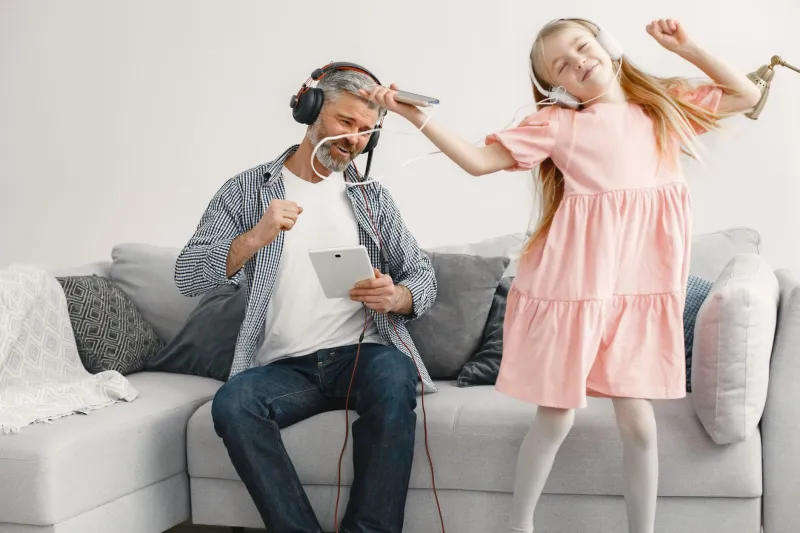
Saturday morning cleaning? Turn it into a listening session. Put on the record, teach them the simigwa shuffle, and sneak in the vocabulary as you go. "Me pɛ sɛ me dance" — say it while dancing and it sticks. Movement plus music plus meaning is the trifecta no language app can beat.
And when your eight-year-old asks why the words keep switching? That's your opening for the family story. Tell them about Sekondi-Takoradi, about the highlife bands, about grandparents who speak three languages before lunch. The music makes the history concrete in a way a lecture never will.
Keeping It Low-Pressure
The goal isn't fluency by Friday. It's association — the feeling that Twi and Ga are sounds of joy, of the dance floor, of family. Fifty years from now, when your kid plays "Simigwa" for their own children, they won't remember the worksheet you never did. They'll remember the car rides.
Start with one song. One drive. One dance party. The language follows the love — and the love is already in the grooves.