The Names in the Margins: How Ambolley's Session Credits Lead to Better Highlife Records

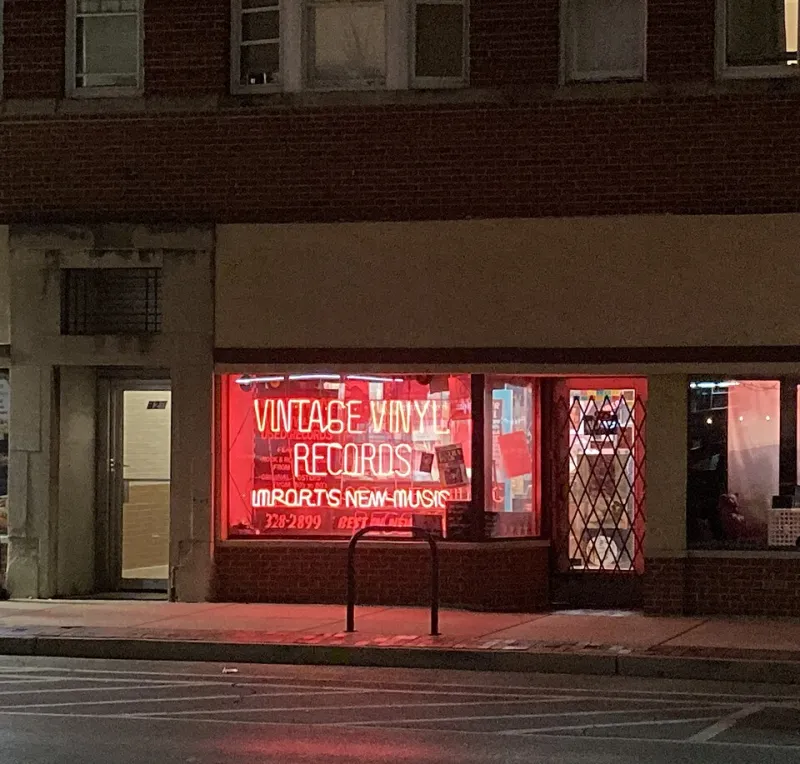
Photo: Pedro Ribeiro Simões from Lisboa, Portugal, CC BY 2.0, via Wikimedia Commons
You bought the record for the groove. Maybe it was the title cut from Simigwa, maybe a reissue you flipped over in a US record store, maybe a推荐 from a friend who knows their Ghanaian highlife. Either way, the front cover did its job. Now flip it over. The back cover — the small print, the names, the studio line — is the part most American listeners skip. That's a mistake. On Ambolley's records, the credits are not paperwork. They're a map.
Why the Small Print Matters
In the US, we're trained to listen to the artist. One name, one brand, one headline. Highlife didn't work that way. Ghanaian sessions in the 1970s were collaborative rooms: horn sections, rhythm players, engineers, arrangers, and band names all stacked together. The person singing or leading the date was often the tip of a much longer list. When you read those credits, you're not just confirming who played bass. You're finding out which networks were active, which studios were busy, and which players kept showing up in the same circles.
That's especially true with Ambolley. His sound is built on rhythm that feels loose but lands tight, horns that answer instead of overwhelm, and a bass presence that keeps the whole thing honest. Those qualities don't come from a single person. They come from a room. The credits tell you who was in it.
What to Look For on an Ambolley Sleeve
You don't need to be a discographer to read a highlife sleeve. Start with roles, not fame.
The horn arranger. This is the person who decided where the trumpets, trombones, and saxes enter and exit. On a track like the title cut from Simigwa, listen for the way the horns punctuate the vocal rather than smother it. That's arrangement, not accident.
The bassist. Highlife lives or dies on the low end. A good bassist on an Ambolley date doesn't just hold down the root; they walk, nudge, and leave space. If the bass feels like a conversation instead of a wall, note the name.
The drummer and percussionist. These are often listed separately, and for good reason. The kit player sets the pocket; the percussionist adds the shaker, bell, or hand-drum texture that makes the groove breathe. When you hear a track that feels like it could go on forever without getting tired, that's usually a rhythm section in sync.
The engineer and the studio. This is the credit American collectors ignore most. The room sound on a 1970s Ghanaian recording — how the horns sit, how much air is around the drums — is part of the music. If you love the warmth of an original pressing, the engineer's name and the studio line are your first clues about why it sounds that way.
The band name. If your copy lists a group alongside Ambolley's name, don't treat it as a footnote. That's your next search term.
Two Close-Listening Stops
You can read credits all day, but the point is to hear them. Try this with two or three tracks.
First, play the title track "Simigwa." Listen past the vocal. Catch the horn answers in the gaps. Hear how the bassist pushes the beat without rushing it. Then look at the back cover and see who was responsible. Does the arrangement credit match what you're hearing? Does the rhythm section list explain why the groove feels so conversational?
Second, pick a slower cut — something mid-tempo or a side-closer. This is where the drummer's hi-hat work and the engineer's room sound become obvious. Fast tracks can hide a lot. Slower ones expose the pocket. If the drummer is playing behind the beat in a way that feels relaxed rather than late, that's a session player worth following.
Third, find the longest track on the record and listen to the outro. Highlife outros are where bassists and percussionists get to stretch. If the groove keeps changing shape after the vocal stops, you're hearing players who were listening to each other, not just running a chart.
The Follow-the-Credits Checklist
Here's a practical routine for your next listening session. Keep it simple.
- Photograph the back cover. Get a clean shot of every credit, including the studio and engineer line.
- Circle every proper name. Horn arranger, bassist, drummer, percussionist, engineer, band name. Don't filter yet.
- Search each name with "Ghana highlife" on Discogs. You're not looking for a biography. You're looking for other records they played on.
- Build a one-track playlist per credit. One track from one other record by one other artist. This is how you hear the network.
- Note the studio. If the same room shows up on multiple records you love, that's a sound worth chasing.
- Compare a reissue to an original. Reissues sometimes add credits that the original sleeve omitted. Use both.
- Ask a record store or a collector forum. A good shop in a city with a West African community can save you months of searching.
- Keep a notebook. Not an app. A notebook. Write down names, dates, and what you heard. In 2026, the algorithm will try to sell you the same five records. A notebook won't.
What This Does for Your Collection
Following credits moves you from hits to networks. Instead of buying another copy of the same classic, you start finding records by the bassist who played on it, the arranger who wrote the horn lines, or the band that shared the studio. That's how American collectors stumble into the deeper highlife catalog — not by searching "best highlife albums," but by following a name from one back cover to the next.
It also makes you a better listener. Once you know who the horn arranger was, you start hearing arrangement instead of just "horns." Once you know the drummer's name, you start noticing the pocket. The music gets bigger, not smaller.
A Note on Sparse Credits
Some pressings are stingy. They list the artist, the title, and not much else. That doesn't mean there was no session culture. It means the sleeve didn't tell you. In that case, look for reissues, liner notes, and discographical databases. Absence of a credit is not evidence of a solo record. It's just a dead end on that particular copy.
The Groove Is the Credit
The next time you pull out an Ambolley record, don't just drop the needle. Read the margins first. The names are small, but they're the reason the groove sounds the way it does. Follow one. Then follow another. That's how a single LP turns into a real collection — and how a listener turns into a crate-digger with a clue.