Don't Come for the Hits: What Ambolley Refuses to Do on Stage Is the Whole Point
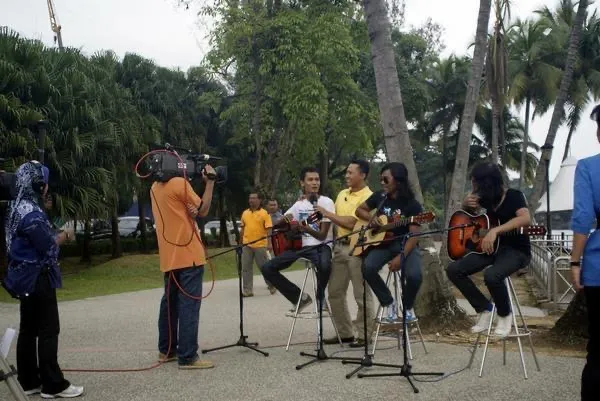
Photo: Tajal Yusoff, CC BY-SA 4.0, via Wikimedia Commons
Let me say the quiet part loud: if you're buying a ticket to an Ambolley show expecting a greatest-hits run-through, you're going to have to adjust your expectations. And that adjustment — that little moment of surrender — is exactly where the magic happens.
Plenty of legacy artists tour on nostalgia. It's a legitimate business model. You book a theater, you play the record in sequence, people sing along, everybody goes home comfortable. Ambolley has never operated that way, and at this stage of a career that stretches back to the mid-1970s, his refusal to repeat himself might be his most underrated artistic trait.
Improvisation Isn't a Bonus — It's the Foundation
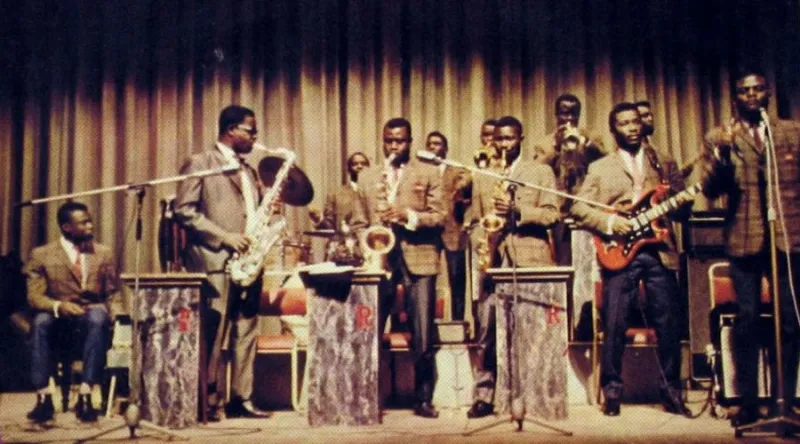
Here's what casual listeners miss about Simigwa and everything that came after: this was never music designed to be frozen in place. The 1975 record that effectively invented a genre was itself a hybrid — highlife's melodic warmth colliding with funk's rhythmic aggression and jazz's improvisational instinct. Ambolley has always been a musician's musician in the jazz sense, which means the songs are starting points, not destinations.
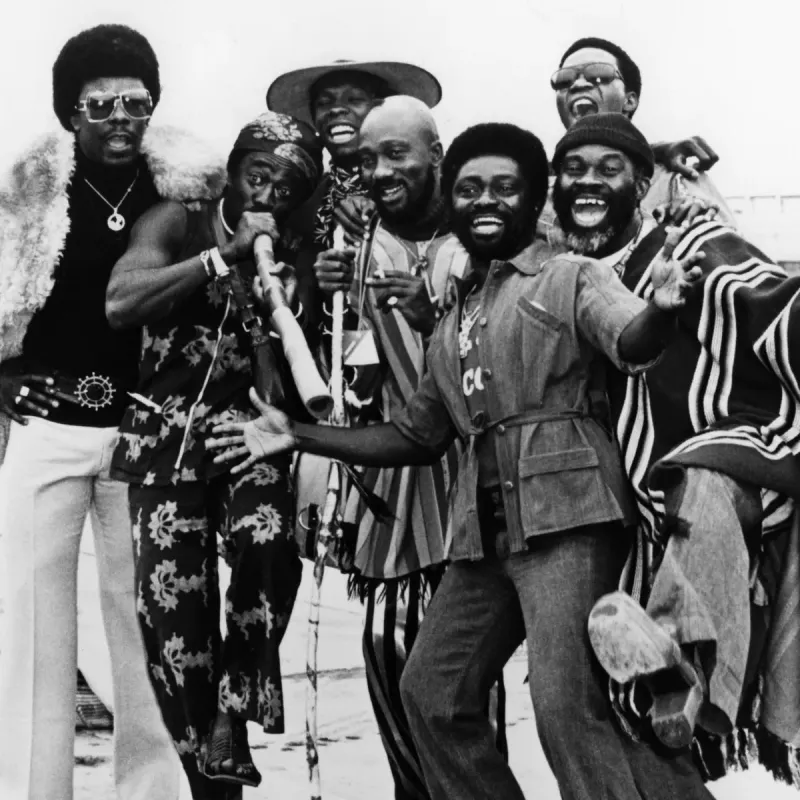
Watch him live and you'll see it immediately. A groove settles in, the band locks into the Simigwa feel, and then the flute comes out. That's the signature — that flute voice threading through the funk, floating above the pocket, answering the horns, talking back to the rhythm section. On record it's a hook. On stage, it's a conversation that can go anywhere. Some nights it goes somewhere transcendent. Some nights it goes somewhere strange. Either way, it's happening in real time, in the room, for you.
What American Audiences Should Expect
US world-music audiences are, generally speaking, a polite bunch. We sit. We nod. We clap on two and four when we're feeling brave. Ambolley's band does not design shows for polite audiences.
Expect long grooves. Expect the band to stretch a song well past its recorded length, following a horn line or a percussion figure into new territory. Expect call-and-response — highlife is participatory music, and the band will pull you in whether you feel ready or not. Expect humor; Ambolley's stage banter is warm and wry, and he's spent enough decades in front of American crowds to know exactly how to bridge the cultural gap without diluting the music.
And yes, expect the classics — but refracted. The songs you know will show up, but they'll arrive reshaped, re-arranged, sometimes barely recognizable until the groove snaps into focus and you realize oh, that's the one. If you need the record note-for-note, stay home and stream it. If you want to hear what the music actually is, buy the ticket.
Why This Matters for the Legacy
There's a school of thought that says a legacy artist's job is preservation — play the hits, honor the catalog, keep the memory alive. I'd argue Ambolley is doing something more valuable. By refusing to treat his own songs as museum pieces, he keeps proving the original thesis: that this music is alive, that it can absorb new influences and new players and keep growing.
Think about what that means historically. The man helped invent a sound before anyone had a name for it. He could have spent fifty years cashing that check. Instead, he kept touring, kept recording, kept working with younger musicians, kept pushing the groove somewhere it hadn't been. That's not nostalgia — that's a living practice. The legacy isn't the 1975 album sitting in a crate. The legacy is the fact that the same musical instincts that produced it are still operating on stage right now, tonight, in this city.
Hear It While You Can
American tours by artists of Ambolley's generation are precious things. The venues are smaller than they should be, the crowds are a mix of longtime heads and curious newcomers, and the energy in the room is unlike anything else on the live circuit. When the band hits that Simigwa pocket and the flute takes flight and the whole room starts moving like one organism, you understand something no recording can teach you: this music was built for rooms full of people. It was always meant to be heard live.
So come for the history if you have to. But stay for the surprise. That's where he lives.