Horns in the Room: A 2026 U.S. Live Highlife Planning Guide
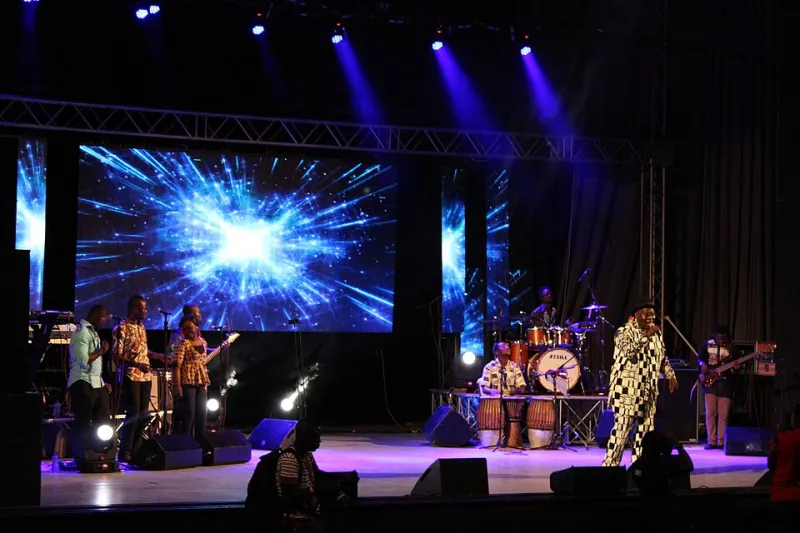
Photo: Sandister Tei, CC BY-SA 4.0, via Wikimedia Commons
Streaming gets you the riff. A live room gets you the sweat, the delay between the kick and the horn punch, the moment the bass player leans back and lets the crowd carry the groove. For American fans who have been playing Ambolley records at home, the next step is not another playlist. It is a ticket, a drive, and a room where Ghanaian highlife horns are actually breathing.
Here is a practical read on the 2026 live calendar in the United States — where to look, when to look, and how to avoid showing up to a bill that says “Afro” on the flyer but never quite lands on highlife.
First, the Honesty Note
As of November 11, 2026, most of this year’s calendar is already behind us. That is useful. The early months are now a template for 2027 planning, and the late months are the remaining 2026 window. The goal is not to pretend every city has a simigwa night every week. The goal is to know where the real rooms tend to appear, and how to read a bill before you spend money on parking.
January–February: The Campus and Arts Center Window
Cold months are campus months. University global-music series, arts centers, and city performing-arts presenters often book African bands in late January and February because they are programming around spring semesters and grant cycles. Look for schools with strong African studies, music, or diaspora programs, and check their event calendars directly rather than waiting for social media to find you.
The tell here is language. A campus listing that says “Ghanaian highlife and Afrobeat” is promising. A listing that says “Afrobeat party” with a DJ and no band is a different night out. Neither is bad — just know which one you are buying.
March–April: Spring Series and Independence-Week Rooms
March is Ghana’s independence month, and in U.S. cities with sizable Ghanaian communities — the Bronx, Worcester, Columbus, Atlanta, Chicago, Houston, the D.C. suburbs — community associations and cultural groups often build events around it. These are not always slick festival bookings. Sometimes they are hall rentals with a live band, a DJ, food, and a program that runs long. Those rooms can be exactly where highlife horns sound most at home.
April tends to bring campus spring concerts and smaller club bookings. Watch for promoters who regularly bring African bands rather than those who only book Afrobeats DJs and add a “live” tag when ticket sales lag.
May–June: Festival Announcements Are the Tell
Late spring is when summer festival bills firm up. This is the season to read lineup pages carefully. A world-music festival may book one Ghanaian act among many. A Caribbean or African festival may put highlife on a side stage at 2 p.m. Neither is a problem, but the setting matters. Horn-heavy highlife often works best in a seated theater, a club with a real stage, or a festival tent where the sound engineer knows what to do with a horn section.
Look for the phrase “Ghanaian highlife” in the artist bio, not just “Afrobeat” in the festival genre tags. Check whether the band is described as a live band or a DJ set. If the listing includes a horn player, a bassist, a drummer, and a guitarist by name, that is a good sign. If it lists one producer and a laptop, adjust expectations.
July–August: Outdoor Season, Horns and Weather
Summer is outdoor season, which is glorious until the sound system turns the horns into a mush of echo. If you are seeing a highlife band outdoors, arrive early enough to hear the sound check or at least the first set. Position yourself closer to the stage and slightly off-center from the main speakers. Horn sections project; you want the direct sound, not just the bounce off a concrete plaza.
This is also the season when African restaurant owners, community organizers, and small promoters put on daytime picnics and cultural festivals. Those events can be the most affordable way to hear real Ghanaian grooves in the U.S. They are also the least predictable. Follow local Ghanaian community pages, not just national ticketing sites.
September–October: Club Nights and Homecoming Shows
Fall brings college homecoming, cultural association galas, and club bookings. This is often when a promoter tests a market with a one-off highlife night. If you see one in your city, go. A strong turnout is how a one-off becomes a regular stop.
Club shows are where the simigwa feel can really stretch out — longer instrumental passages, a horn line trading with the guitar, a crowd that knows the dance. But club bills are also where genre labels get sloppy. Check the promoter’s past events. If they usually book Afrobeats DJs and this is their first live band, the sound may be a work in progress.
November–December: The Remaining 2026 Window
For the rest of 2026, think holiday concerts, community fundraisers, and year-end cultural events. Ghanaian church and community groups sometimes stage concerts in December with live bands. University ensembles may program African music. These are not always advertised as highlife nights, so search for the band names, not just the genre.
If nothing is near you, use the remaining weeks to build a 2027 shortlist. Follow the venues that booked African bands this year. Save the promoters who actually put horns on stage. That is how you turn a lucky night out into a repeatable habit.
How to Verify the Bill Is Actually Highlife
Start with the artist bio. Real highlife bills usually mention Ghana, palmwine guitar, horn sections, or specific band members. Next, watch a recent live video. A studio track can be polished into anything. A phone video from a club show tells you whether the band can actually swing.
Then check the lineup. A highlife band may include trumpet, saxophone, trombone, bass, drums, guitar, and vocals. A solo artist with a backing track is not the same thing. That does not make it worthless — it just makes it a different experience.
Finally, read the promoter’s language. “Afrobeats night” is not a synonym for highlife. “Afro-fusion” is not a synonym either. If the listing never says highlife, Ghanaian, or the name of a known highlife band, ask before you buy.
Three Questions to Ask Before You Buy
Is this a live band or a DJ set? Is there a horn section? And what kind of set will they play — mostly highlife, mostly Afrobeats, or a mix? A quick message to the promoter or venue can save you a two-hour drive and a disappointing night.
What to Do When You’re There
Stand close enough to hear the horns without being blasted by the mains. Watch the bass player and drummer lock in. Listen for the guitar’s palmwine-style picking against the horn lines. And dance when the groove opens up. Highlife is not a museum piece. It is a conversation between the band and the room.
The 2026 calendar may not be packed with simigwa every weekend in every American city. But the rooms exist. You just have to read the bill, ask the right questions, and show up ready to stand in front of the horns.